Seat Flip Mechanism
The problem
Problem text is going to go here…
Our solution
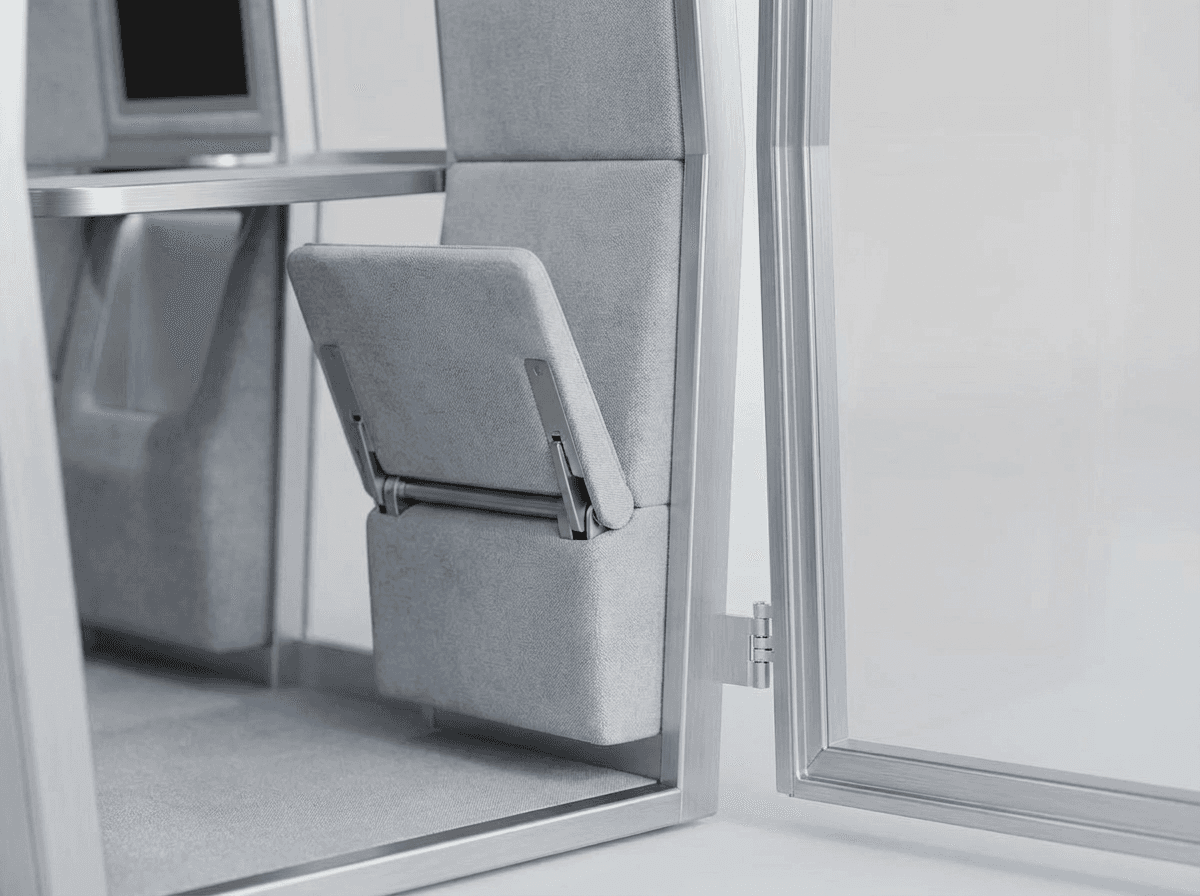
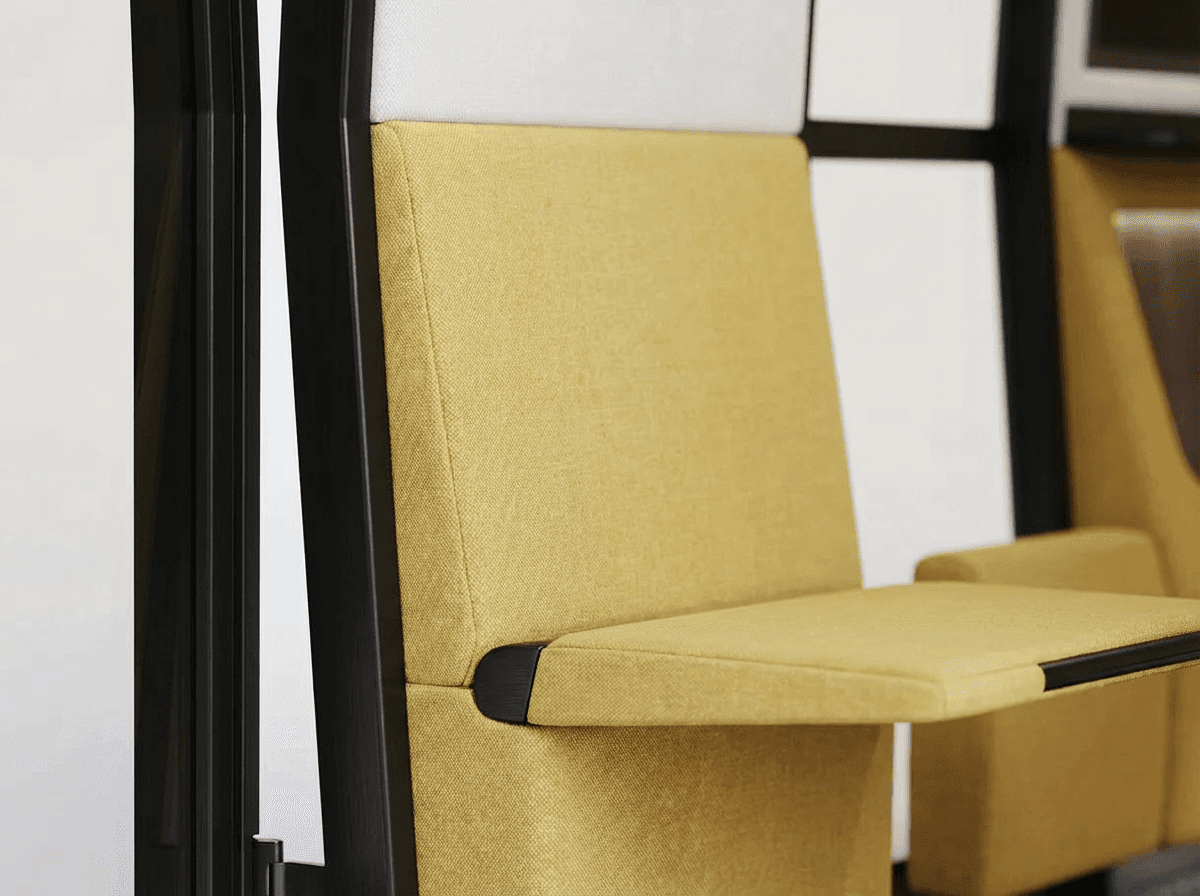
The mechanism was developed to transition reliably between positions while maintaining stability, alignment, and user safety throughout the movement.
Key considerations
Kinematic layout, tolerance control, wear surfaces, and ease of manufacture and assembly. The design was validated to ensure consistent operation over repeated cycles, with a focus on robustness and long-term reliability in everyday use.
Load-bearing mechanical systems
The problem
Problem text is going to go here…
Our solution
The mechanism was developed to transition reliably between positions while maintaining stability, alignment, and user safety throughout the movement.
Key considerations
Kinematic layout, tolerance control, wear surfaces, and ease of manufacture and assembly. The design was validated to ensure consistent operation over repeated cycles, with a focus on robustness and long-term reliability in everyday use.
Load-bearing mechanical systems
The problem
Problem text is going to go here…
Our solution
The mechanism was developed to transition reliably between positions while maintaining stability, alignment, and user safety throughout the movement.
Key considerations
Kinematic layout, tolerance control, wear surfaces, and ease of manufacture and assembly. The design was validated to ensure consistent operation over repeated cycles, with a focus on robustness and long-term reliability in everyday use.
Load-bearing mechanical systems
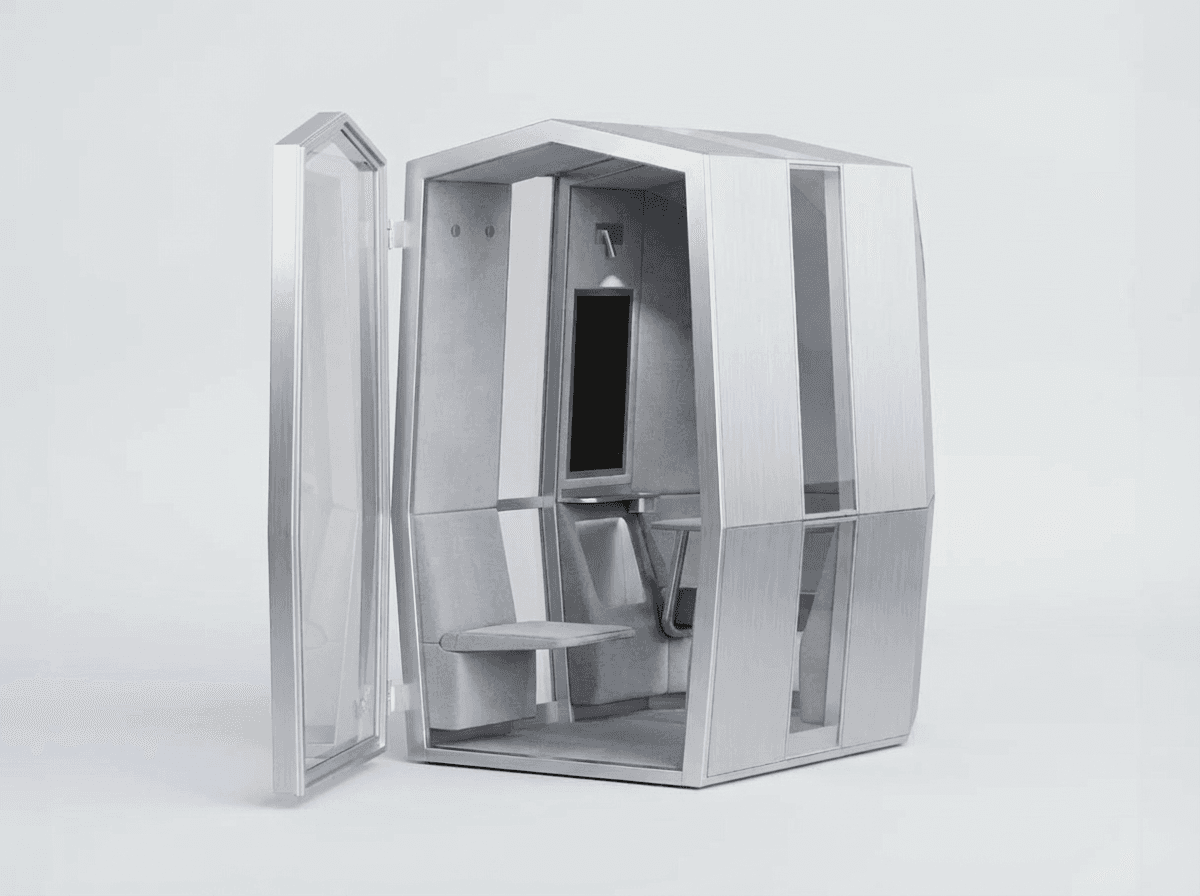
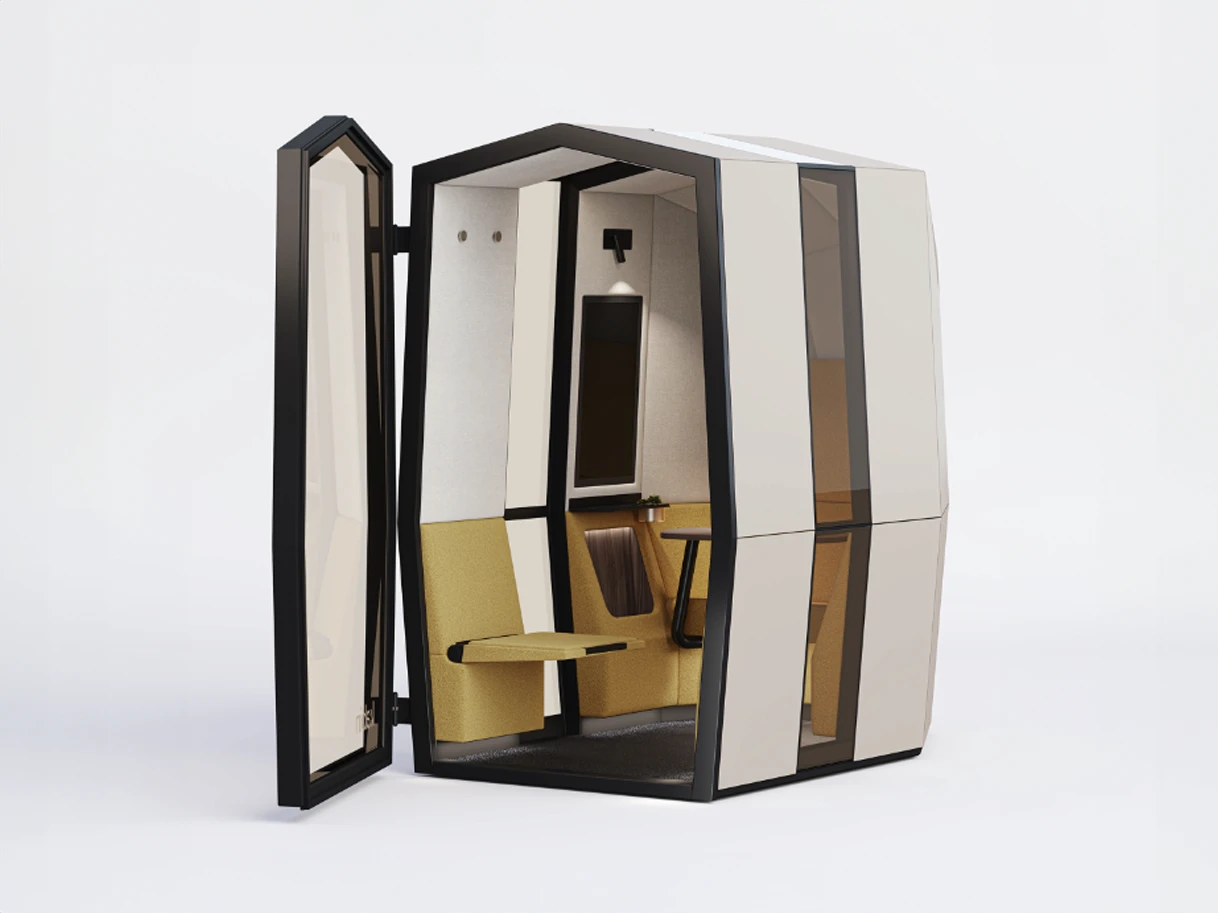
Design of a compact flip-seat mechanism for a chair/nook application, requiring smooth, repeatable motion within a constrained envelope.
Design of a compact flip-seat mechanism for a chair/nook application, requiring smooth, repeatable motion within a constrained envelope.
Design of a compact flip-seat mechanism for a chair/nook application, requiring smooth, repeatable motion within a constrained envelope.